Table of Contents
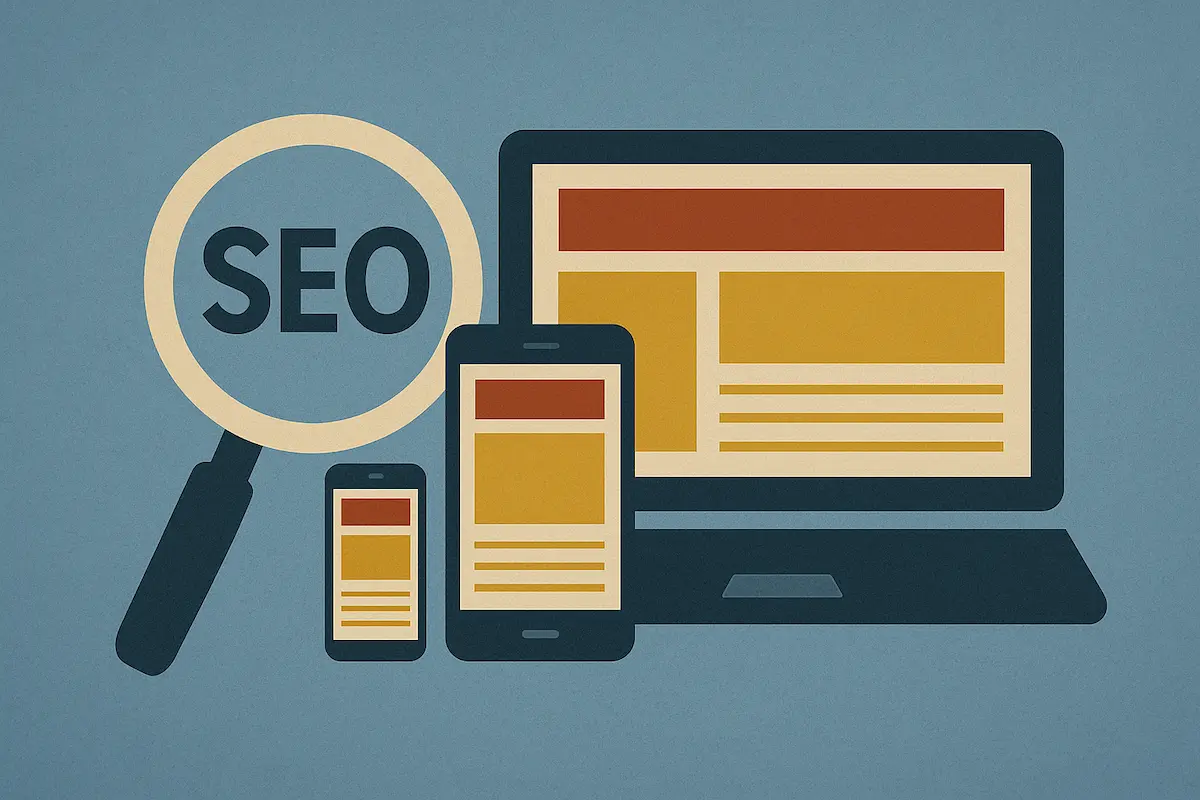
Users navigate the internet through an array of devices, from smartphones to tablets to desktop computers, so the importance of responsive web design cannot be overstated. As search engine algorithms continue to evolve and prioritise user experience, embracing responsive web design has become imperative for businesses looking to thrive online. Let’s delve into the SEO benefits that responsive web design offers.
Enhanced User Experience Leads to Higher Rankings
Search engines, like Google, consistently refine their algorithms to favour websites that provide seamless experiences across all devices. Responsive web design ensures that your website adapts effortlessly to various screen sizes and resolutions, delivering a consistent and user-friendly experience.
By prioritising user experience, responsive web design reduces bounce rates and encourages visitors to explore your site further. This increased engagement signals to search engines that your website offers valuable content, thereby improving your chances of ranking higher in search results.
Faster Page Loading Speeds Boost Rankings
In an era where speed is paramount, every second counts when it comes to website performance. Responsive web design streamlines the loading process by serving the same HTML code to all devices and adjusting the layout dynamically. This approach eliminates the need for redirects or separate mobile sites, resulting in faster page loading speeds across the board.
Page loading speed is deemed a critical ranking factor by search engines. Websites that load quickly not only provide a better user experience but also receive a boost in search engine rankings. By embracing responsive web design, you not only cater to the preferences of modern users but also align with the priorities of search engine algorithms, ultimately enhancing your SEO efforts.
Enhanced Local SEO Performance
As local searches drive a significant portion of online traffic, responsive web design plays a crucial role in enhancing local SEO performance. With the increasing prevalence of location-based searches conducted via smartphones, having a responsive website and utilising top-notch local SEO services ensures that your business appears prominently in local search results, particularly on mobile devices.
Responsive design optimises your website’s visibility across various devices and screen sizes, making it easier for local users to find and engage with your business. Whether they’re searching for nearby restaurants, retail stores, or service providers, a responsive website ensures that your business stands out in local search results, driving foot traffic and conversions.
Enhanced Off-Page SEO Opportunities and Backlink Acquisition
Responsive web design enhances off-page SEO prospects by improving the likelihood of attracting high-quality backlinks from reputable websites and online publications. In today’s digital landscape, backlinks remain a crucial ranking factor, as they signal to search engines the credibility, relevance, and authority of a website.
By adopting responsive design principles and creating a visually appealing, user-friendly website, businesses increase their chances of earning backlinks from other websites within their industry or niche. Online publishers and content creators are more inclined to link to websites that offer a seamless browsing experience and valuable content, as it reflects positively on their reputation and credibility.
Streamlined Navigation Enhances User Experience and SEO Performance
Efficient navigation isn’t just essential for Google’s ranking algorithms—it’s also paramount for delivering a seamless user experience. Businesses recognize that facilitating easier access to desired destinations, whether it’s product pages, subscription forms, or informative content, is crucial for retaining visitors and driving conversions.

As a result, websites are prioritising improved navigation options both internally across their sites and within individual pages. From intuitive menu structures to interactive elements like table of contents, businesses are investing in responsive design to ensure that users can navigate effortlessly and find what they’re looking for without encountering any obstacles.
This alignment between user experience and SEO performance underscores the importance of responsive web design in creating websites that resonate with both users and search engines alike.
Accessibility Compliance Improves SEO and User Experience
In today’s digital landscape, accessibility is not just a moral imperative but also a legal requirement for websites. Responsive web design plays a crucial role in ensuring accessibility compliance by providing a seamless browsing experience for users with disabilities across all devices.
By adopting responsive design principles, you make your website more accessible to users with visual impairments, motor disabilities, and other accessibility needs. This commitment to inclusivity not only improves the user experience for all visitors but also aligns with search engine algorithms that prioritise accessible websites in search results.
Sustainable Long-Term ROI and Reduced Maintenance Costs
Responsive web design offers a sustainable approach to website development that yields long-term return on investment (ROI) and reduces ongoing maintenance costs. Unlike traditional websites that may require frequent updates and overhauls to keep up with evolving design trends and technological advancements, responsive websites are built to adapt seamlessly to changing preferences and device capabilities.
By investing in a modern, responsive website, businesses can minimise the need for costly and time-consuming redesigns or rebuilds in the future. Once the responsive framework is in place, only superficial adjustments may be necessary over time to accommodate minor updates or refinements, significantly reducing the resources and effort required to maintain the website.
Improved Social Sharing Drives Organic Traffic
In today’s interconnected digital ecosystem, social media plays a pivotal role in driving organic traffic to websites. Responsive web design facilitates social sharing by providing users with a consistent experience. Whether users access your website via a smartphone, tablet, or desktop computer, they can easily share content with their networks, amplifying your online presence and driving valuable traffic.
Responsive design ensures that shared content retains its visual appeal and functionality across different devices, enhancing the likelihood of engagement and interaction. As social signals continue to influence search engine rankings, responsive web design emerges as a strategic tool for leveraging social media to boost your SEO efforts.
Improved Website Maintenance Streamlines SEO Efforts
Maintaining multiple versions of a website, such as separate desktop and mobile sites, can be a logistical nightmare for businesses seeking to streamline their SEO efforts. Responsive web design simplifies website maintenance by consolidating all content and updates into a single platform that adapts to different devices seamlessly.
With responsive design, you no longer need to worry about syncing content, meta tags, or backlinks across multiple versions of your site. This unified approach not only saves time and resources but also ensures consistency in your SEO strategy. By eliminating the complexities associated with managing multiple sites, responsive design allows you to focus your efforts on creating high-quality content and implementing effective SEO tactics.
Future-Proofing Your Website for Emerging Technologies
With technology evolving rapidly, safeguarding your website against emerging trends and devices is imperative for ensuring sustained SEO success in the long run. Responsive web design serves as a versatile foundation that can adapt to new technologies and devices as they emerge, ensuring that your website remains relevant and accessible to users, regardless of the devices they use.
Whether it’s wearable devices, voice search, or augmented reality, responsive design provides a flexible framework that can accommodate future innovations seamlessly. By investing in responsive web design, you position your website to thrive in the ever-changing digital landscape, setting the stage for continued growth and success in the years to come.
Conclusion
From its humble beginnings as a trend to its current status as an indispensable pillar of online success, responsive design has transformed how businesses engage with their audience and navigate the digital landscape. As we look ahead to the future of SEO, one thing remains clear: responsive web design isn’t just a recommendation; it’s a necessity for businesses striving to thrive in the ever-evolving digital ecosystem.

Guest Author
Latest posts by Guest Author (see all)
- Why Some Businesses Grow 10x Faster Than Others? - May 2, 2025
- SEO Benefits Of Responsive Web Design - March 27, 2024